Trying to choose between Mequon and nearby suburbs? You are not alone. Many buyers find that several Milwaukee-area communities can fit their budget on paper, yet feel very different once you picture your daily routine. This guide will help you compare Mequon with Bayside, Whitefish Bay, Shorewood, and Brookfield so you can focus on the lifestyle, housing pattern, and commute style that fit you best. Let’s dive in.
Why Mequon Stands Out
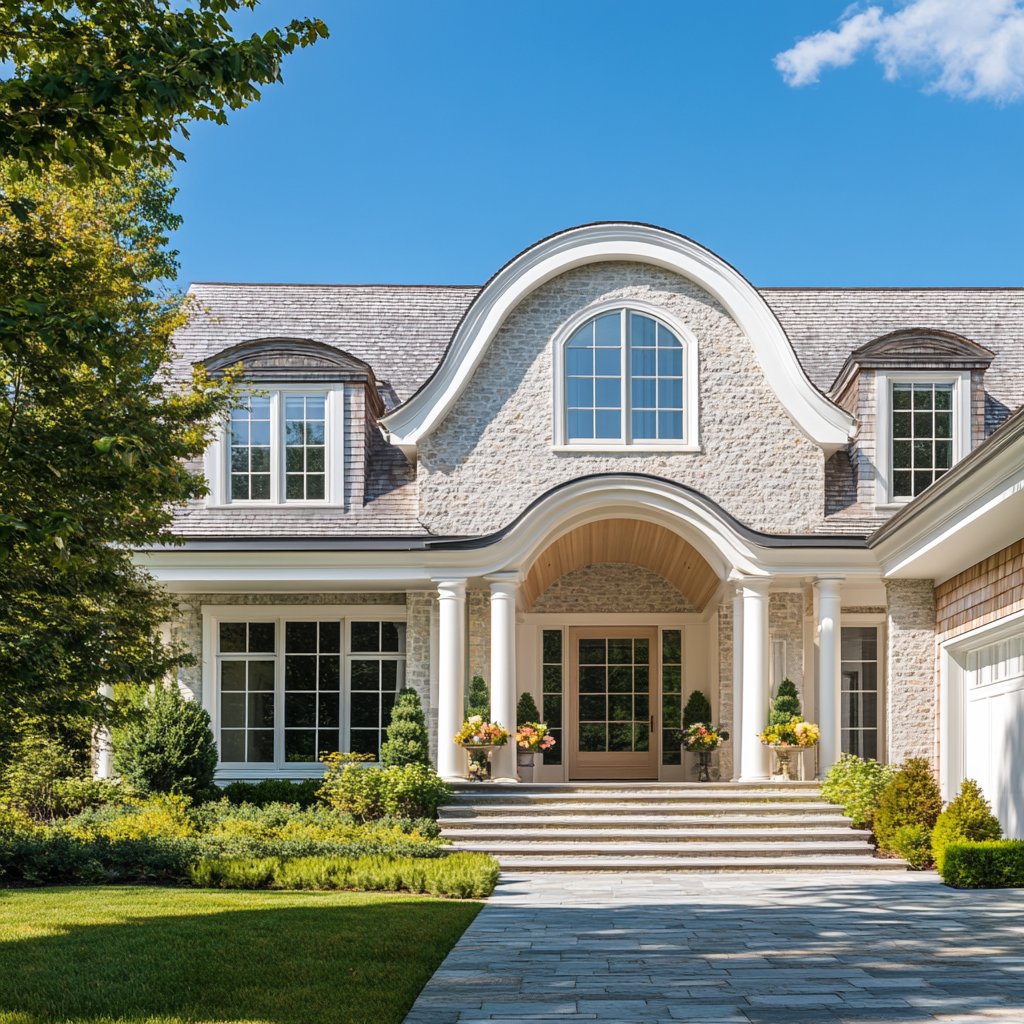
Mequon offers a lower-density North Shore setting where single-family homes remain the primary housing choice. The city’s planning documents also show that alternative housing types are more limited and generally concentrated in town-center and transition areas.
That pattern helps explain why Mequon often appeals to buyers who want more space and a more spread-out feel. In 2024, the city reported a median home value of $501,600 and an owner-occupied housing rate of 86.0%.
Mequon also leans into open space and outdoor access. City materials highlight parks, trail maintenance, natural character, and access to the Ozaukee Interurban Trail.
Compare the Daily Lifestyle
When you narrow down suburbs, the biggest difference is often not price alone. It is how you want everyday life to feel once you move in.
The commute numbers for Mequon, Whitefish Bay, Shorewood, and Brookfield are all fairly close, at roughly 20 to 22 minutes on average. That means your bigger decision may come down to whether you prefer a car-first routine, a compact neighborhood setting, or a more retail- and office-centered suburb.
Mequon: Space and Open Land
Mequon is a strong fit if you want a predominantly detached-home market and a lower-density setting. It is also well suited to buyers who value parks, trails, and a more open North Shore lifestyle.
For commuting, I-43 is the main north-south route. Ozaukee County Transit offers shared-ride service, while the county’s Express Bus ended in June 2024.
Bayside: Established North Shore Feel
Bayside shares some North Shore character with Mequon, but in a smaller, more built-out village setting. Its comprehensive plan says single-family residential is the dominant land use, and future housing growth is expected to come mainly from infill or redevelopment rather than expansion.
That matters if you want a community where the housing stock is already largely established. Bayside also offers amenities like Ellsworth Park and Doctor’s Park, which provides Lake Michigan beach access and views.
Whitefish Bay: Compact and Convenient
Whitefish Bay is often a surprise in this comparison because its median home value is very close to Mequon’s. The village reports a 2020-2024 median home value of $498,700, compared with Mequon’s 2024 median home value of $501,600.
The difference is not value so much as neighborhood form. Whitefish Bay is a more compact, predominantly single-family community with convenient shopping and easy access to Lake Michigan and downtown Milwaukee.
Shorewood: Walkable Urban Village
Shorewood stands apart in this group for walkability and housing variety. It has a lower owner-occupied rate at 45.6% and describes itself as walkable, bike-friendly, and architecturally diverse.
If you want sidewalks, restaurants, parks, and a more mixed-housing environment, Shorewood may feel very different from Mequon. The village highlights 60 miles of public sidewalk and easy access to Lake Michigan, the Milwaukee River, trails, and city amenities.
Brookfield: West-Suburban Alternative
Brookfield is the outlier geographically, but it is still a useful comparison for buyers deciding between the North Shore and the western suburbs. The city reports that 81.2% of its housing stock is single-family, with an 81.4% owner-occupied rate and a median value of $388,600.
Brookfield also has a stronger commercial footprint than Mequon. Its economic development materials note more than 6 million square feet of office space, more than 4 million square feet of retail space, and a park system with over 1,800 acres.
Compare Housing Patterns
If you are trying to choose your next home, start by looking at housing form before anything else. The type of community you pick will shape what inventory you see, how neighborhoods feel, and what kind of tradeoffs you make.
Detached Homes vs Housing Variety
Mequon leans strongly toward detached, low-density single-family living. That makes it appealing if you want more separation between homes and a less compact neighborhood layout.
Bayside also centers on single-family homes, but in a more established and built-out setting. Whitefish Bay remains predominantly single-family too, though in a tighter, more compact village pattern.
Shorewood offers the most housing variety in this group. If you want a mixed-housing environment rather than a detached-home-dominant market, it is the clearest match.
Price Does Not Tell the Whole Story
It is easy to assume a higher-value market always means more space, but this comparison shows why that can be misleading. Mequon and Whitefish Bay sit at very similar median home values, yet the experience of living there can feel very different because density and neighborhood design are not the same.
Brookfield comes in at a lower median value than Mequon, while Shorewood sits in the middle of the group. Bayside’s plan reported a 2019 median owner-occupied value of $341,300, which offers another useful point of comparison, though from an earlier data year.
Compare Commute Style
Average travel times only tell part of the story. The more useful question is how you want to move through your day.
Car-First Communities
Mequon and Bayside are more car-led and freeway-oriented. In Mequon, I-43 is a major part of daily access, and in Bayside the Brown Deer and Port Washington corridor plays a similar role.
That can work well if you are comfortable driving for errands, work, and activities. It can be less appealing if you want more destinations woven into your immediate neighborhood pattern.
Compact, Neighborhood-Centered Communities
Whitefish Bay and Shorewood feel more neighborhood-centered. Whitefish Bay pairs compact residential living with shopping and services built into the community fabric, while Shorewood emphasizes pedestrian and bike access in a more urban-village setting.
If you want your routine to include sidewalks, shops, restaurants, and shorter local trips, these two communities may deserve a closer look. The average commute time may be similar to Mequon, but the rhythm of daily life is different.
Freeway and Retail Access
Brookfield is its own category in this comparison. It is shaped by I-94 access and a substantial concentration of retail, office, and business-park space.
For some buyers, that means convenience and access to a wide range of shopping and employment centers. For others, it may feel more commercially built out than the North Shore communities they are considering.
A Simple Way To Decide
If you feel stuck between several good options, simplify your choice into three questions. This can help you move past broad impressions and focus on what actually matters for your next chapter.
1. Do You Want More Space or More Convenience?
Choose Mequon if your top priority is space, open land, and a more spread-out setting. Choose Whitefish Bay or Shorewood if being closer to shopping, dining, sidewalks, and neighborhood activity matters more.
Bayside can offer a middle ground for buyers who want North Shore character in a smaller established village. Brookfield may appeal if you want a suburban setting with strong retail and office access on the west side.
2. Do You Want a Detached-Home Market?
If a predominantly detached-home market matters most, Mequon, Bayside, Whitefish Bay, and Brookfield all fit that goal in different ways. Mequon usually stands out for lower density, while Whitefish Bay offers a more compact version of a strong single-family identity.
If you want more housing variety, Shorewood is the clearest alternative in this group.
3. Do You Want Car-Led or Walkable Living?
Mequon and Bayside are better suited to a car-first routine. Whitefish Bay and Shorewood are better suited to buyers who want a more walkable or neighborhood-centered daily experience.
Brookfield remains more freeway-oriented, but with a different suburban profile shaped by major retail and office development.
Which Suburb Fits You Best?
There is no single best answer, only the best fit for how you want to live. Mequon is a strong choice if you want room to spread out, a predominantly single-family market, access to trails and parks, and a North Shore setting shaped by open space and I-43 access.
Bayside works well if you want a smaller established village feel. Whitefish Bay may be the better match if you want compact village convenience at a home value level that is surprisingly close to Mequon.
Shorewood stands out for walkability and mixed housing, while Brookfield offers a west-suburban option with strong retail, office, and freeway access. When you compare them through the lens of space, convenience, housing pattern, and commute style, your next move usually becomes much clearer.
If you are weighing Mequon against nearby suburbs, having local guidance can make the process much easier. The Wright Group helps buyers and sellers across Mequon, Bayside, Whitefish Bay, Shorewood, and surrounding Southeast Wisconsin communities with clear advice, personalized strategy, and steady communication at every step. Connect with Meg Wright to talk through your options.
FAQs
How does Mequon compare to Whitefish Bay for home values?
- Mequon’s 2024 median home value is $501,600, while Whitefish Bay’s 2020-2024 median home value is $498,700, so they are quite close in value even though Mequon is lower-density and Whitefish Bay is more compact.
Is Mequon or Shorewood better for walkability?
- Shorewood is the stronger fit for walkability because the village highlights pedestrian and bike access, 60 miles of public sidewalk, and a more mixed-housing urban-village environment.
What kind of housing is most common in Mequon?
- Mequon is primarily a low-density single-family home market, with more limited alternative housing types generally concentrated in town-center and transition areas.
How does Bayside differ from Mequon for buyers?
- Bayside is also largely single-family, but it is more built out, with future housing change expected to come mostly through infill or redevelopment rather than expansion.
Is Brookfield similar to Mequon?
- Brookfield shares a strong single-family and homeownership profile, but it is more commercially built out and more closely tied to I-94, retail centers, office space, and business parks.
What is the main factor to consider when choosing between Mequon and nearby suburbs?
- A helpful way to decide is to compare space versus convenience, detached-home dominance versus housing variety, and car-first commuting versus a more walkable daily lifestyle.