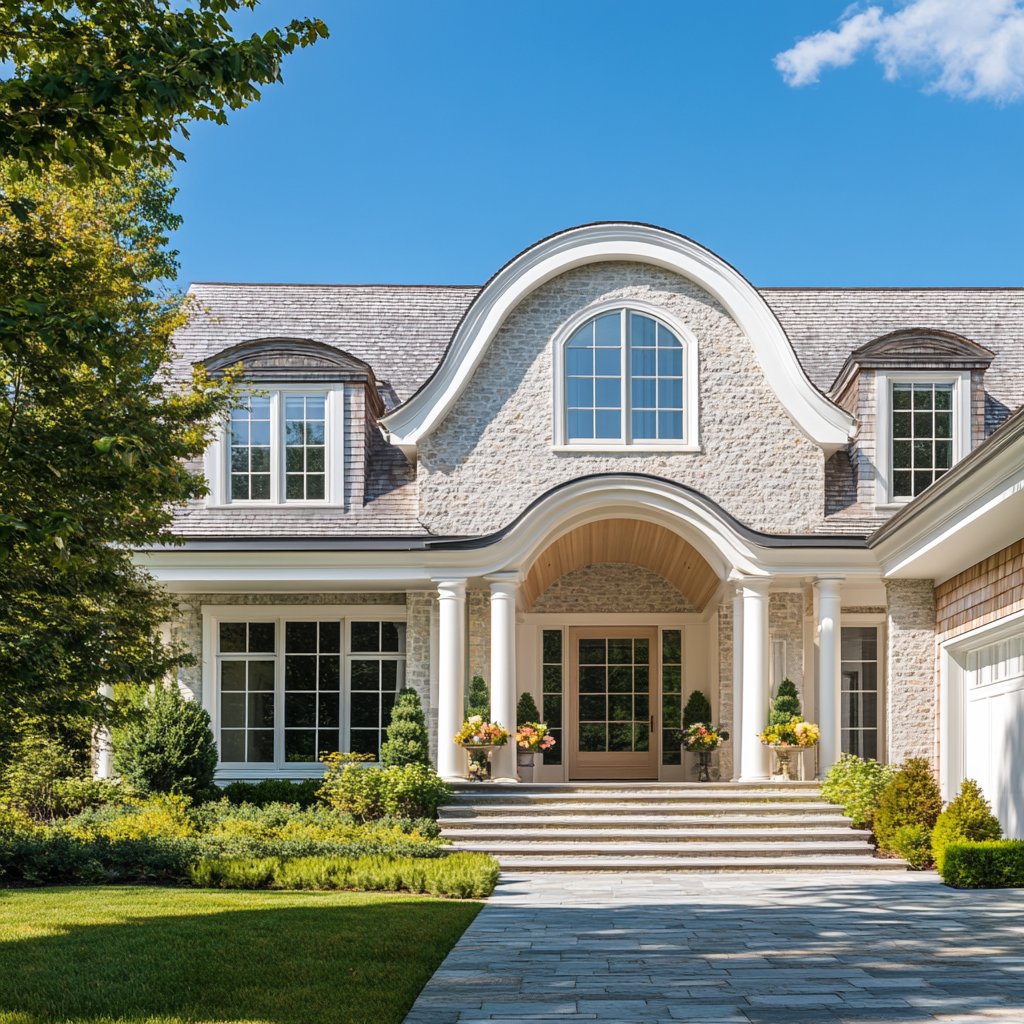
In March 2026, a condo at 311 E Erie Street in the Historic Third Ward sold for $1.45 million, two percent over its asking price, after sitting on the market for exactly one day. The same year, a few blocks away, a unit at 106 W Seeboth Street closed at $292,000, seven percent under list, after waiting 129 days for a buyer.
Same neighborhood. Same MLS category. Same year. A five-to-one price gap and a 128-day difference in how long each one waited.
If you've been shopping Milwaukee condos using the number everyone quotes, this is the part the number doesn't tell you. The citywide condo median gets repeated in market reports and search results as if it describes one market. It doesn't. It's an average pulled across two markets that behave nothing alike, and the neighborhood name on the listing tells you almost nothing about which one you're actually looking at.
The Number Everyone Quotes
As of June 2026, the median sale price for a Milwaukee condo, citywide, was $237,750, down about three percent from a year earlier. The average sale price sat at $292,181, essentially flat. Pulled from year-to-date 2026 sales, the distribution looks like this:
| Price tier | Share of YTD 2026 sales |
|---|---|
| Under $300,000 | 67% |
| $300,000 to $500,000 | roughly 20% |
| Above $500,000 | roughly 13% |
| Above $1,000,000 | 10 sales citywide in six months |
Read that table on its own and you'd conclude Milwaukee condos are an affordable, buyer-friendly corner of the market. Mostly true. But that 67% is doing a lot of work to pull the headline number down, and it's not evenly spread across the city. It's concentrated in older, smaller, amenity-light buildings scattered well outside downtown. The luxury tier at the bottom of that table is concentrated somewhere very specific.
Where the High End Actually Lives
Downtown Milwaukee's active condo listings currently carry a median price closer to $724,000. That's not a typo relative to the $237,750 citywide figure. It's the same market, measured at a different address.
The mechanism is straightforward once you see it. Downtown and lakefront towers cluster toward the top of the price ladder, while condos scattered through the rest of the city pull the citywide median down. A handful of buildings account for a disproportionate share of Milwaukee's high-end condo inventory, and they share traits that have nothing to do with which neighborhood name sits on the listing.
Take The Waterfront, a four-story building completed in 2004 along the river in the Third Ward. Its units range from just under 1,000 square feet up past 2,700, priced anywhere from the high $300,000s to nearly $1.2 million, depending on floor, view, and finish. A few blocks away, 601 Lofts, a ten-story tower on the north edge of downtown built out around 2005, holds 80 residential units in a building originally developed by KeyBridge Development. In East Town, The BreakWater rose in 2009 with private decks, indoor heated parking, a fitness center, and a resident library. And in a category by itself sits The Cudahy, Milwaukee's oldest residential complex, built in 1907 by meatpacking magnate Patrick Cudahy and converted to condominiums in the 1980s, still carrying its original gas fireplaces and millwork alongside a gated garden that residents with dogs tend to love.
None of that is neighborhood. It's vintage, unit count, amenity load, and how much of the building's value got built in versus renovated in later. A 2004 river-view building and a 1907 conversion sitting a few blocks apart in the same district can price wildly differently, and both can sit comfortably inside a search for "Third Ward condo."
The Real Comparison Isn't Neighborhood, It's Building
That's why the Erie Street example at the top isn't an outlier. Across a set of 2026 Third Ward closings, price per square foot ranged from roughly $250 to $592, inside the same historic district. The unit at 311 E Erie Street that sold in a day at a premium and the unit at 106 W Seeboth Street that sat for 129 days and closed under ask were both, technically, "Third Ward condos." A buyer shopping by neighborhood median would have no way to anticipate that spread.
The practical fix is to stop comparing a listing to a neighborhood average and start comparing it to buildings with a similar age, unit size, and amenity package, wherever they happen to sit. A one-bedroom in a 2020s amenity building will price against other 2020s amenity buildings, not against a walk-up conversion two streets over just because they share a zip code.
The Monthly Number Buyers Underweight
The purchase price is also only part of what a Milwaukee condo costs. Monthly association dues vary far more by building than by neighborhood, and buyers who shop on sale price alone often get surprised at the closing table when the real number shows up.
Sample dues from East Side buildings have run anywhere from around $222 a month up to $590, depending on what's included. Sample Third Ward dues span a similar range, from around $282 up to $607. The overlap between those two ranges is the point: an amenity-rich building on the East Side can cost the same each month as a comparable building in the Third Ward, and a bare-bones Third Ward loft can undercut both. Amenity-rich buildings more broadly tend to run $500 to $1,000 or more a month, and at the very top of the market, combined fees and property taxes can add more than $2,000 a month to the true cost of owning.
Here's where it gets counterintuitive. A higher monthly fee isn't automatically the worse deal. If that fee bundles heated indoor parking, insurance, building maintenance, a fitness center, and utilities, the way BreakWater's does, the all-in monthly cost can land lower than a building with a smaller sticker price on dues that covers almost nothing beyond common-area lighting. The Cudahy's gated garden and library are baked into its fee the same way. A buyer comparing two listings side by side needs to ask what each fee actually covers before assuming the lower number wins.
What This Means If You're Shopping Downtown
Downtown condos overall are also behaving like a different kind of market than the single-family homes most Milwaukee buyers are used to competing for. As of mid-July 2026, MLS data on downtown condo activity showed roughly a 53-day average time on market and a 3.09-month absorption rate, a pace that gives buyers real room to negotiate. Third Ward inventory specifically has run thin, with active listings typically somewhere between a dozen and two dozen units depending on which portal is counting, so timing still matters even in a slower-moving segment.
Put together, the practical approach for anyone comparing Milwaukee neighborhoods on condo price looks like this. Pull comps by building, not by neighborhood label. Ask for the condo association's budget and reserve study before assuming a fee is high or low in isolation. Price per square foot inside the same building type tells you far more than a citywide or even neighborhood-wide median ever will.
A Few Questions Worth Asking Before You Tour
Is a higher HOA fee always a red flag? Not on its own. Check what it includes. A fee that bundles parking, heat, insurance, and amenities can be the better total cost even if the number looks larger on paper.
Does the Third Ward always cost more than the East Side? Not consistently. Sample dues and closed-sale prices in both districts overlap heavily. The building matters more than the district it sits in.
Why did one Third Ward condo sell in a day and another sit for four months? Vintage, condition, and unit-specific features drove that gap far more than the neighborhood address did, based on 2026 closed sales in the district.
Milwaukee's condo market rewards buyers who shop like this, one building at a time, rather than anchoring to a single headline figure. If you're weighing a downtown loft against a lakefront tower against something further out, The Wright Group can pull the actual building-level comps before you write an offer, not just the citywide average. Contact us when you're ready to look closer.