If you want suburban space without feeling cut off from everyday convenience, Brookfield tends to stand out quickly. For many buyers and sellers, the question is not just what homes cost, but what daily life actually feels like once you are there. This guide will walk you through Brookfield’s layout, housing, parks, shopping, commute patterns, and overall pace so you can decide whether it matches what you want next. Let’s dive in.
Brookfield at a glance
Brookfield is a west-side suburb of Milwaukee located about 10 miles west of the city along I-94. The City of Brookfield covers about 27.6 square miles and had a population of 41,464 in the 2020 census.
The city describes itself as a place of neighborhoods, tree-lined streets, and canopied parks. That description fits the feel on the ground, especially with an urban forest that includes more than 20,000 public trees.
Brookfield also feels established rather than brand new. Incorporated in 1954, it has a mature suburban layout with residential areas, parks, civic spaces, and major commercial corridors all woven together.
Brookfield’s overall feel
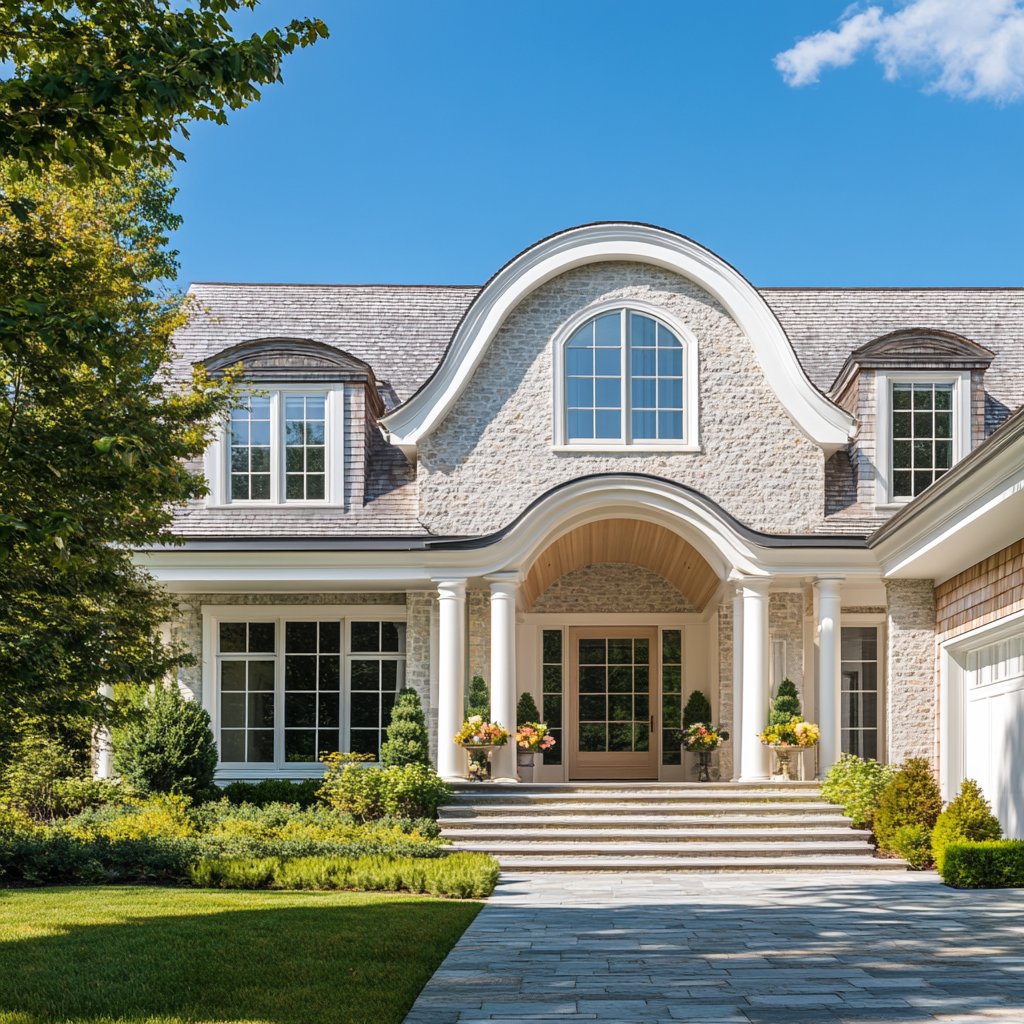
One of the clearest things you notice in Brookfield is the sense of space. City guidance emphasizes open space around structures and landscaping for privacy, which helps create a roomier feel than many closer-in suburbs.
That means Brookfield does not read like a compact, walk-everywhere urban village. Instead, it feels more spread out, more residential, and more traditionally suburban, with larger areas devoted to homes, green space, and shopping centers.
For many people, that is exactly the appeal. If you want breathing room, mature trees, and a setting that feels settled and self-contained, Brookfield checks a lot of boxes.
Housing in Brookfield
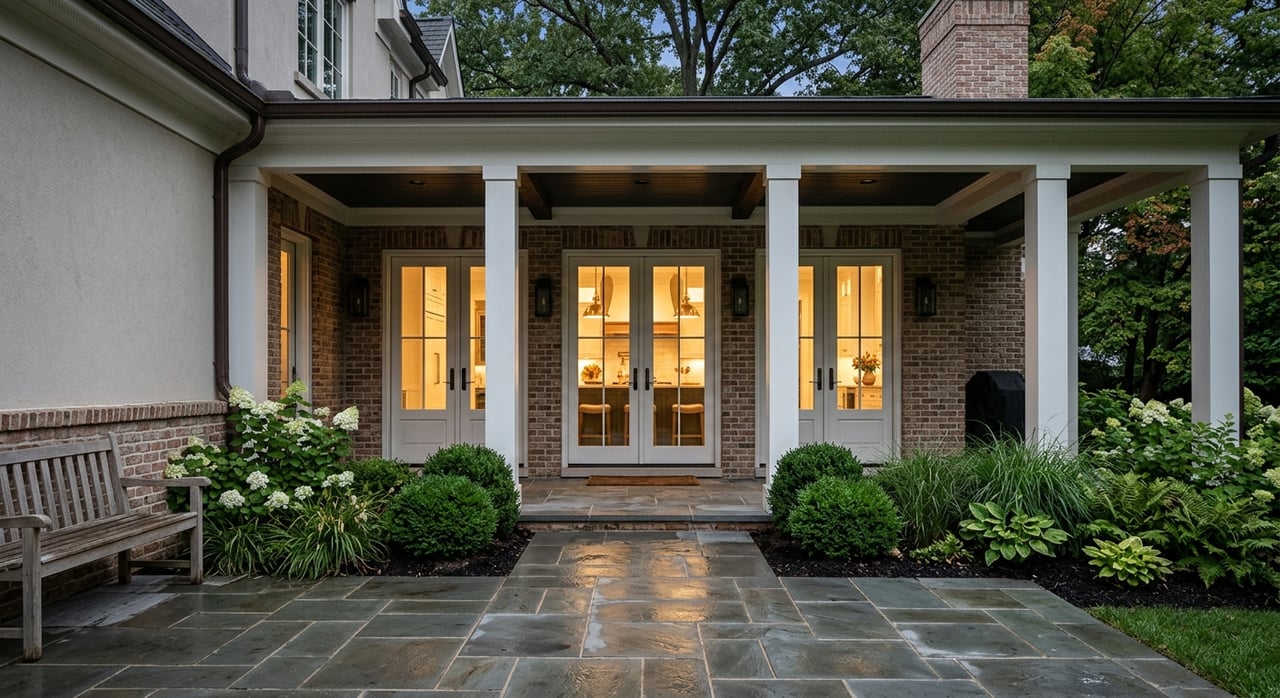
Brookfield’s housing market is mostly centered on detached single-family homes. City housing information shows that 81.2% of the housing stock is single-family, with condos and duplexes at 9.1% and apartments at 9.7%.
Most homes have more than three bedrooms, while many condos or rental options are two-bedroom units with attached garages. That creates a fairly broad mix for people looking for a larger long-term home, a lower-maintenance option, or something in between.
The city’s 2024 economic profile shows 13,415 owner-occupied housing units and 2,645 renter-occupied units. It also reports a median home value of $388,600 and a median monthly rent of $1,699.
In practical terms, Brookfield tends to appeal to buyers who want an owner-occupied suburban setting, while still offering options for renters and downsizers. Senior housing and assisted-living options are also available, which adds flexibility for people planning later-life moves.
How neighborhoods are commonly defined
Brookfield neighborhoods are often understood in a practical way rather than by a single downtown identity. According to the city, single-family home areas are commonly defined by elementary school zones, while condo and apartment areas are often identified by nearby shopping districts.
That can be helpful if you are home shopping because it reflects how residents often talk about location in everyday life. Instead of one central neighborhood pattern, Brookfield has a collection of residential pockets tied to parks, schools, and commercial conveniences.
This setup can also make the city feel accessible to different life stages. Some buyers want a larger house and yard, while others want a condo or rental closer to errands and services.
Parks and outdoor space
Brookfield’s park system is one of its biggest lifestyle strengths. The Parks, Recreation & Forestry department manages more than 1,800 acres across 25 park sites.
That gives you access to a wide mix of amenities, including an aquatic center, pavilion and lodge spaces, a skatepark, athletic fields, courts, skating ponds, and miles of hard-surfaced and nature trails. If outdoor access matters to you, Brookfield offers more than a few small neighborhood parks.
Mitchell Park adds even more variety with groomed trails, a canoe and kayak launch, and an archery range. The city’s Greenway Trail System is intended to connect parks, community facilities, and the wider regional trail network, which supports a more connected outdoor lifestyle.
For buyers comparing suburbs, this matters because it shapes daily routines. It is easier to picture regular walks, trail use, seasonal recreation, and casual outdoor time when the park system is this extensive.
Civic spaces and community events
Brookfield has a clear civic center near North Avenue and Calhoun Road. This area includes City Hall, the library, the senior and community center, the civic plaza, nearby schools, and the post office.
That civic core gives the city a recognizable gathering point. It helps balance Brookfield’s larger, spread-out footprint with a place where community activity naturally comes together.
The Civic Plaza at Brookfield City Hall hosts summer lunch-hour and evening concerts, movies, and a Saturday morning farmers market. The city also lists recurring events such as Arbor Day, beer gardens, a summer concert series, the German Holiday Market and tree lighting, and partner events in city parks including Family Fest.
If you are wondering whether Brookfield feels purely residential after work hours, the answer is no. While it is still a suburban city, it offers enough events and civic programming to create a steady community rhythm throughout the year.
Shopping and daily convenience
Brookfield is well known as a commercial hub, not just a bedroom community. The Bluemound Road corridor is one of Wisconsin’s premier commercial corridors and plays a major role in everyday convenience.
Brookfield Square anchors the area with more than 100 retailers and 16 restaurants. Across the three-mile stretch from Moorland Road to Barker Road, there are about 200 retailers and services, along with shopping centers such as Fountain Square, Brookfield Fashion Center, and The Plaza.
For residents, that means errands, dining, and shopping are built into the local landscape. You do not have to leave town for many of the practical things that shape day-to-day life.
Brookfield also has more than 2,000 businesses, 6 million square feet of corporate office space, and 5 million square feet of industrial space. That gives the city a stronger employment and business presence than some suburbs that are primarily residential.
Commuting from Brookfield
Brookfield’s location along I-94 is a major part of its appeal. If you need regional access, being about 10 miles west of Milwaukee supports relatively direct travel to downtown and other parts of Southeast Wisconsin.
The city’s mean travel time to work is 20.7 minutes. That number helps show why Brookfield remains attractive to people who want suburban living without an especially long daily commute.
Brookfield is still largely car-forward in how it functions. That said, transit options do exist through the Goerke’s Corners park-and-ride on I-94 and County Y, which has 322 stalls and access to Waukesha Metro, Waukesha County Transit, Badger Coaches, Wisconsin Coach Lines, and Greyhound.
Waukesha Metro Route 1 serves Brookfield Square and the Goerke’s Corner Park & Ride, and county information also points commuters toward connections that can reach downtown Milwaukee and the lakefront. For most residents, driving will likely be the default, but transit can still be part of the picture for some routines.
How Brookfield compares in feel
If you are also considering communities closer to Milwaukee’s lakefront, Brookfield offers a different experience. Official descriptions of places like Shorewood, Whitefish Bay, and Fox Point point to more compact footprints or more pedestrian-oriented settings.
Brookfield, by contrast, is larger and less dense. Its identity leans more toward bigger parks, larger residential areas, strong commercial corridors, and a broader suburban footprint.
That does not make one option better than another. It simply means Brookfield may be a better fit if you value room, privacy, and convenience by car, while another community may suit you better if you want a tighter, more walkable layout.
Who Brookfield may suit best
Brookfield tends to make sense for several kinds of buyers and sellers. If you are looking for a classic suburban setting with mature landscaping, a strong park system, and easy access to shopping and services, it deserves a close look.
It can also work well if you are moving up into a larger home, relocating and wanting a practical landing spot near Milwaukee, or planning a downsize without giving up convenience. The mix of single-family homes, condos, rentals, and senior housing creates more flexibility than some people expect.
Above all, Brookfield feels self-contained. You get suburban space and established neighborhoods, but you also get commercial convenience, civic gathering spaces, and regional access that keep day-to-day life manageable.
If you are weighing Brookfield against other Milwaukee-area communities, the key is to match the city’s layout and pace to your own priorities. When space, greenery, convenience, and a well-established suburban rhythm top your list, Brookfield is easy to understand and easy to picture yourself in.
If you are thinking about buying or selling in Brookfield or comparing it with other Milwaukee-area suburbs, Meg Wright can help you evaluate the options with clear, local guidance and a calm, personalized approach.
FAQs
What is Brookfield, Wisconsin, like for everyday living?
- Brookfield offers a suburban lifestyle with tree-lined streets, established neighborhoods, extensive parks, strong shopping access, and convenient regional travel via I-94.
What types of homes are common in Brookfield, Wisconsin?
- Brookfield’s housing stock is mostly detached single-family homes, with additional condo, duplex, apartment, senior housing, and assisted-living options.
Is Brookfield, Wisconsin, more urban or suburban?
- Brookfield is distinctly suburban, with a larger footprint, more open space around homes, and a more spread-out layout than compact, walkable urban-style communities.
Does Brookfield, Wisconsin, have good parks and trails?
- Yes. The city manages more than 1,800 acres across 25 park sites, with trails, sports facilities, an aquatic center, skating ponds, and outdoor recreation amenities at places like Mitchell Park.
Is Brookfield, Wisconsin, convenient for shopping and errands?
- Yes. The Bluemound Road corridor includes Brookfield Square, numerous shopping centers, restaurants, and a wide range of retailers and services that support daily convenience.
Is Brookfield, Wisconsin, a good option for commuters?
- Brookfield offers strong car access via I-94, a mean travel time to work of 20.7 minutes, and some transit options through the Goerke’s Corners park-and-ride and Waukesha Metro Route 1.